
Logistics · Work · 2026
The future of
logistics jobs in the Netherlands
The sector is changing step by step.
Find out what this means for your work in 2026 and beyond.
Logistics jobs in the Netherlands in 2026: what is really changing for employees?
Logistics jobs in 2026 are in the spotlight as the Dutch logistics sector changes step by step. Electric trucks, stricter regulations and new technologies are driving change in the sector. That doesn't mean jobs will suddenly disappear or that everything will look completely different in 2026.
For many people who work in logistics, or want to get started in it, the most important question is a simple one: what does this mean for my job?
In this article, we explain it in a sober and realistic way.
Logistics is changing, but not overnight
In 2026, more electric and hybrid trucks will be on the road, especially in cities and on short routes. At the same time, diesel trucks will remain an important part of the Dutch fleet for the time being, particularly for long-distance transport.
For employees, this mainly means that the transition is gradual.
Companies are switching over step by step. This leaves room to get used to it, learn new skills and gain experience with new systems and vehicles.
Which logistics jobs remain in demand?
Despite all the changes, demand for staff remains high. In 2026, these roles are still important:
- truck drivers, both national and international
- warehouse employees
- forklift and reach truck operators
- transport planners and logistics coordinators
The logistics sector has been struggling with staff shortages for years. That won't change overnight. In practice, it is usually not a matter of fewer jobs, but of slightly different tasks within the same roles.
Which skills are becoming more important?
What does change is what employers pay more attention to in new employees. In 2026, these skills are becoming increasingly important:
- working with digital systems such as scanners, apps and on-board computers
- flexibility in working hours and routes
- basic knowledge of electric vehicles or modern logistics processes
- clear communication on the work floor
You don't have to be a specialist, but a willingness to learn is becoming more and more important.
Green trucks and automation: concerns or opportunities?
Some employees are worried about electric trucks and automation. In practice, the impact on jobs turns out to be limited.
Automation mainly takes over heavy or repetitive tasks. People remain essential for planning, supervision, checking and resolving exceptions.
Green trucks mainly bring different work routines, not less work.
How can you prepare for 2026?
If you want to look ahead, there are a few practical steps you can take:
- be open to training or short courses
- don't be afraid of new vehicles or systems
- choose employers who invest in their employees
- keep talking about opportunities for growth
Flexibility helps you keep your opportunities in logistics open in the future too.
In conclusion
Logistics in the Netherlands will remain a sector with work, stability and opportunities for growth in 2026 as well. Not everything changes at once, and experience remains valuable.
At NFA Recruitment, we follow these developments every day and help candidates find jobs that fit not only now, but also in the longer term.
Latest vacancies
More articles

Staff Shortages in Air Cargo at Schiphol: 7 Practical Solutions for Employers
Staff shortages in air cargo at Schiphol can lead to delays and extra pressure on teams. Discover 7 practical solutions for employers to improve their workforce planning, find suitable employees and organise air cargo operations efficiently.
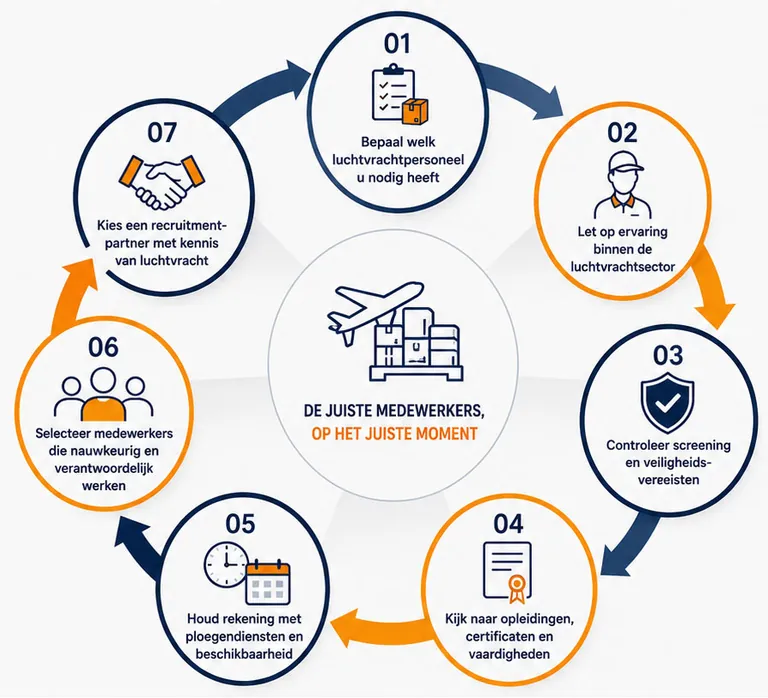
Finding Air Cargo Staff: 7 Tips for Employers
Looking for air cargo staff for your business? Discover 7 tips on experience, screening, certifications, and the availability of suitable employees.

Logistics Staff Planning: 7 Tips for Employers
Improve logistics staff planning? Discover 7 practical tips to prepare your warehouse for peak periods and plan your staffing needs in advance.